In many traditional communication approaches, communities are positioned as recipients of information. They are spoken to, spoken about, or represented by external narratives.
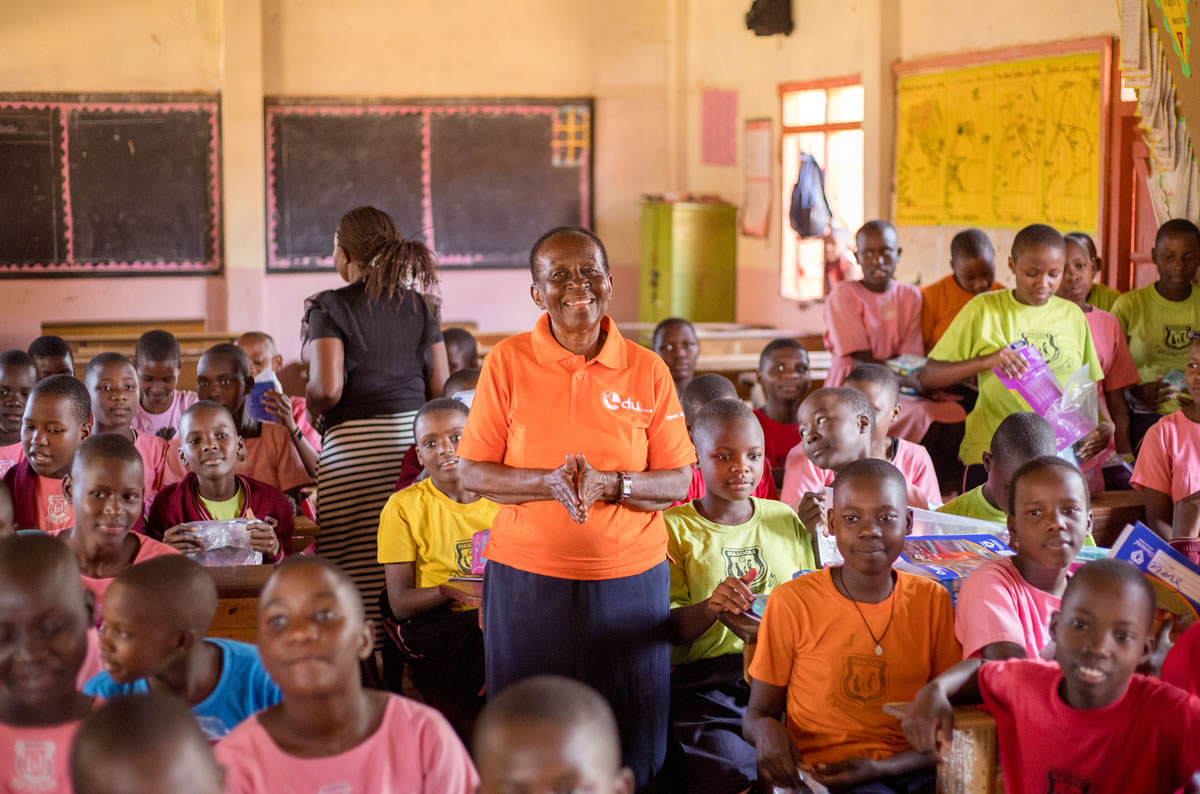
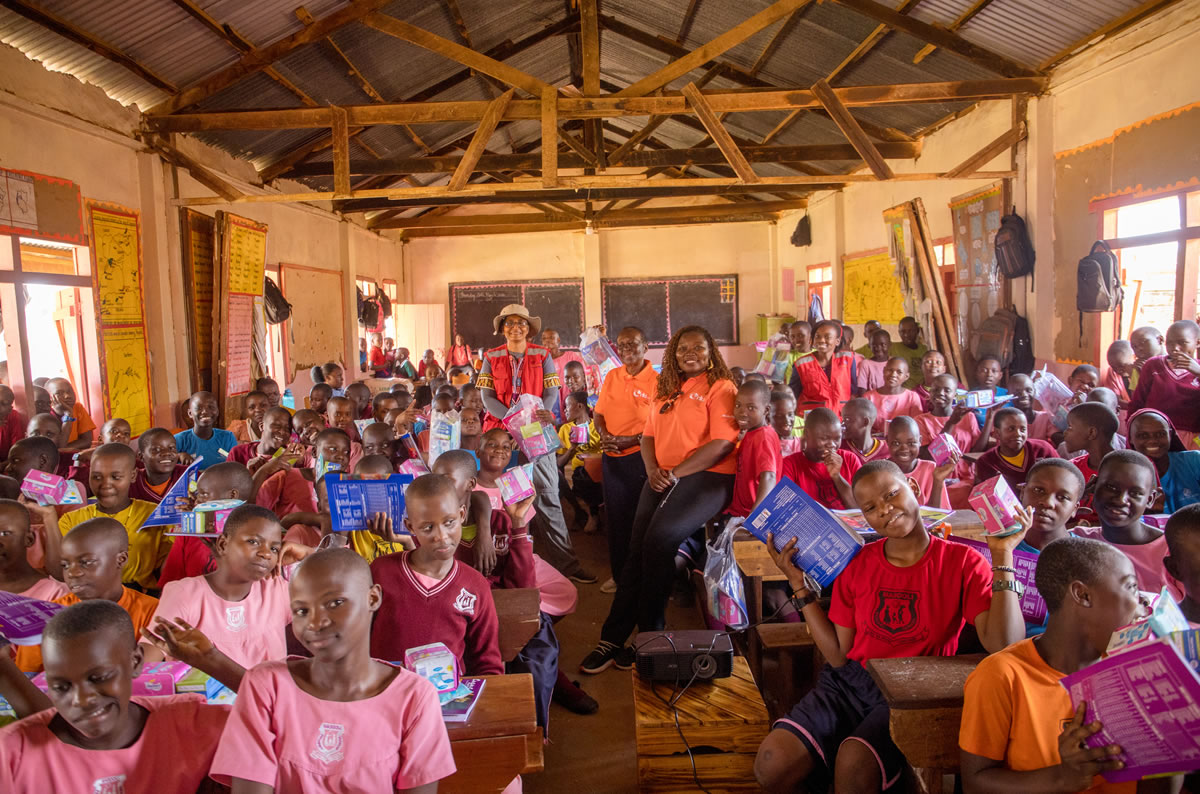
In EduCinema engagements, something different happens when communities see themselves reflected in visual storytelling.
The reaction is not passive. It is recognition.
People begin to connect what they are watching to their own experiences. They compare, question, and reflect. This moment of recognition often opens deeper conversations that would not normally happen in standard meetings or training sessions.
We have observed that when communities see their realities reflected with dignity and accuracy, participation increases naturally. Not because they are instructed, but because they feel seen.
This shift from representation to reflection is one of the most powerful outcomes of visual storytelling.
It turns audiences into participants.